
 Back to the Future Part II1989
Open tonight
MovieBar
180 movies from three decades, each with its cast, its rating and a Watch now button.
The eighties
Full menu (80)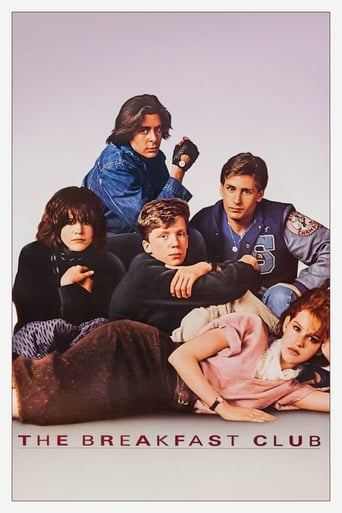

The sixties
Full menu (60)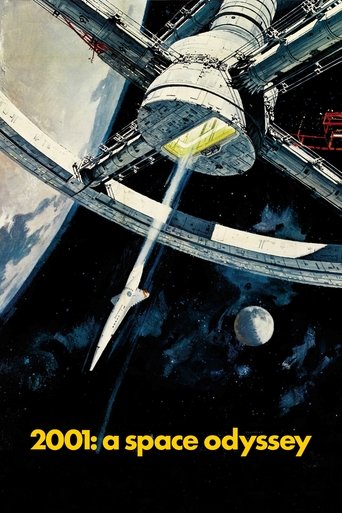
The seventies
Full menu (40)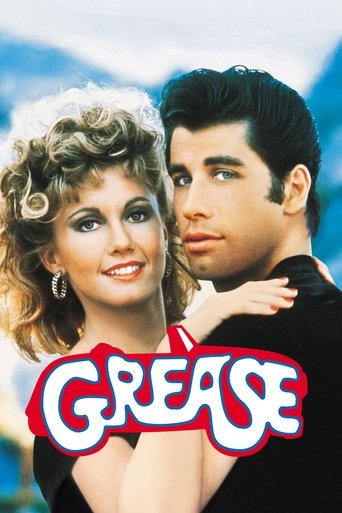
Musicals and music
Full menu (30)


Westerns
Full menu (17)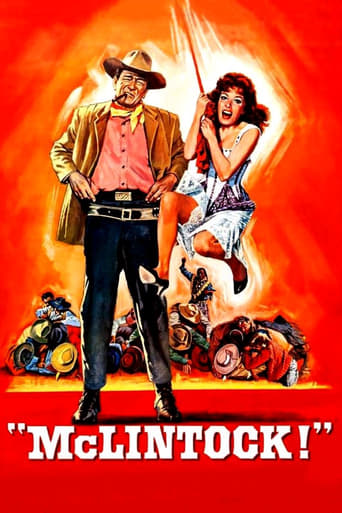

Family
Full menu (47)


The MovieBar guide to three decades
MovieBar: movies of the 1960s, 1970s and 1980s, from Mary Poppins, Breakfast at Tiffany's and Grease to The Muppet Movie, The Breakfast Club, Big and Rain Man
Every good bar has a menu on the wall, written in chalk, with the house favourites at the top. MovieBar borrows the idea for films. Its menu covers three decades, the 1960s, the 1970s and the 1980s, and it holds 180 movies: sixty from the first decade, forty from the second and eighty from the third. Together they run for about 326 hours and are the work of 135 directors. Everything on the list was chosen for a family audience, so the menu leans toward comedies, musicals, westerns, romances and the kind of drama that sends an audience home in good heart.
Three decades make a useful span. At one end stand the last great studio musicals, shot in rich colour on enormous sets, with stars who had been famous since the 1940s. At the other end stand the teenage comedies of the 1980s, made for a generation that watched them again and again on videotape. Between them lies a decade of open roads, underdogs and new voices. A viewer who works through the menu watches popular cinema change its clothes three times.
This guide pours a little from each tap, describes the lists that cut across the decades and explains how the site works. Those in a hurry can go straight to How to watch with MovieBar.
How MovieBar works
The home page is designed as the inside of a bar at opening time. A pink neon frame carries the heading and three taps, labelled the 60s, the 70s and the 80s, each with the number of movies it serves. Beside the frame hangs a green chalkboard headed Top shelf tonight, which lists the ten highest-rated movies with a dotted line running from each title to its year and score, as on a drinks list. Below come six rows of posters: the eighties, the sixties, the seventies, musicals and music, westerns, and family.
A movie page gives the year, the running time, the rating, the genres, the leading cast, the director and a summary. Beside the Watch now button is a country selector; choose a country, press the button, and the movie opens on JustWatch, which lists the subscription, rental, purchase and free services that carry it there. MovieBar is a guide, and the watching happens on those official services.
Four routes lead to a movie, set out in Finding a movie: the taps, the search box, the menu page and the alphabetical index. The search understands actors, directors and years as well as titles. The list feature is called My Tab; it keeps movies to watch in the browser on the device in use, and the My Tab page shows how to add to it and how to save it as a file.
The sixties tap
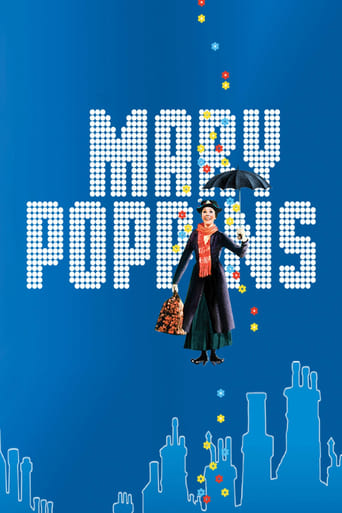
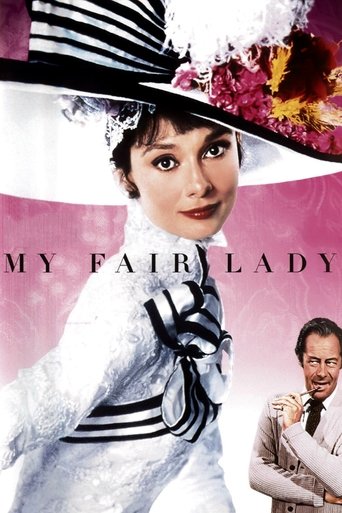
Sixty movies flow from the first tap, and the sixties guide begins with the musicals, because 1964 was their finest year. Mary Poppins brought a nanny down from the clouds over Edwardian London with a carpet bag, a parrot-headed umbrella and songs that have been sung in nurseries ever since; Julie Andrews won an Academy Award in her first film role, and Dick Van Dyke danced with animated penguins. My Fair Lady, released the same year, filmed the stage musical about a professor of phonetics and a Covent Garden flower seller with Rex Harrison and Audrey Hepburn in Cecil Beaton's black-and-white Ascot costumes, and was named best picture.
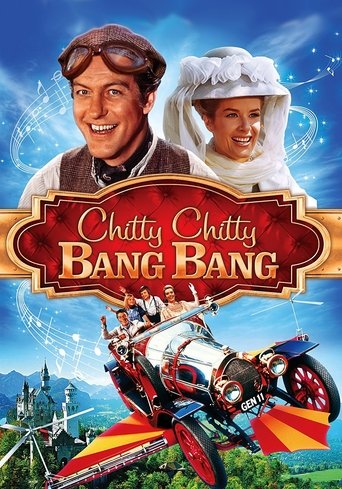
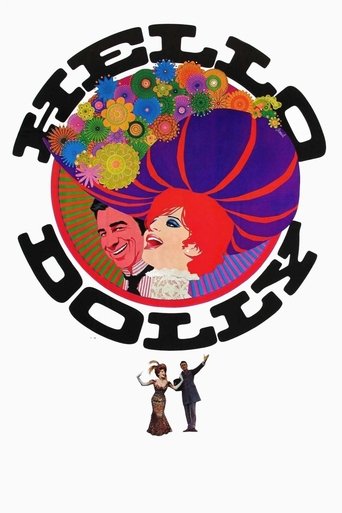
The form stayed grand to the end of the decade. Thoroughly Modern Millie sends Julie Andrews to New York in 1922 with a bob and a plan. Chitty Chitty Bang Bang gives an inventor, played by Dick Van Dyke, a car that floats and flies. Hello, Dolly!, directed by Gene Kelly, parades Barbra Streisand through a New York of 1890 with a cast of thousands and a guest appearance by Louis Armstrong. These films were made by craftsmen at the height of their skills, and their colour, costume and choreography are a pleasure that has only grown.
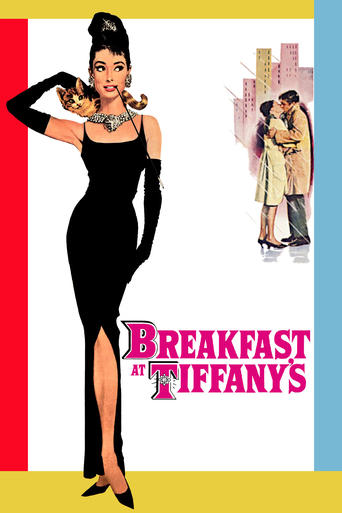
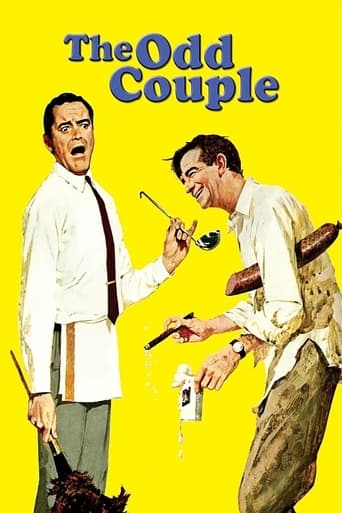
The decade's comedies were sharp and urbane. Breakfast at Tiffany's opens with Audrey Hepburn in a black dress and pearls, eating a pastry at dawn in front of a jeweller's window, and follows her Holly Golightly through a New York of parties, a nameless cat and a song sung on a fire escape. It is rated 7.6. Neil Simon's plays reached the screen with their casts intact: Barefoot in the Park puts newlyweds Robert Redford and Jane Fonda in a fifth-floor flat with a hole in the skylight, and The Odd Couple moves a tidy man in with an untidy one. Cactus Flower won Goldie Hawn an Academy Award in her first major part.
A lighter kind of comedy belonged to Jerry Lewis, who appears five times on the menu and directed several of the films himself. The Bellboy, at seventy-two minutes the shortest movie here, is an almost wordless string of gags in a Miami hotel. The Disorderly Orderly, The Patsy and Who's Minding the Store? are built the same way, on a gentle soul surrounded by breakable objects. The Disney studio supplied its own brand of invention with The Absent-Minded Professor, who discovers a rubbery substance that lets a car fly, and its sequel Son of Flubber.
The sixties also thought big. 2001: A Space Odyssey, directed by Stanley Kubrick in 1968, travels from the dawn of humanity to a mission to Jupiter in the company of a calm, watchful computer, and remains the most ambitious science-fiction film ever made; it is rated 8.0. Grand Prix strapped cameras to racing cars for a season of Formula One. Those Magnificent Men in Their Flying Machines or How I Flew from London to Paris in 25 Hours 11 Minutes staged an air race of 1910 with real replica aircraft, and Hatari! sent John Wayne and a team of animal catchers across the plains of East Africa to a tune about a baby elephant.
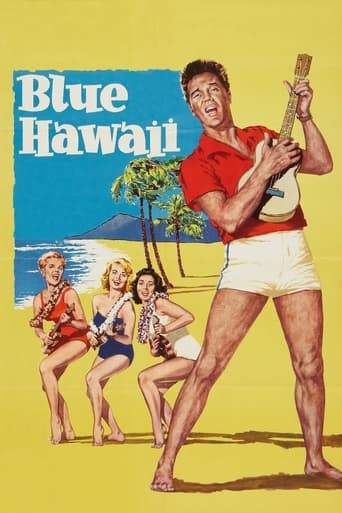
Two films about teaching carry the decade's conscience. The Miracle Worker, rated 7.9, shows Annie Sullivan reaching the young Helen Keller through touch, and To Sir, with Love sends Sidney Poitier, as an engineer waiting for a post, into a classroom in the East End of London, where he decides to treat his unruly pupils as adults. Elvis Presley, who made a picture or two every year, is on the menu four times, most happily in Blue Hawaii.
The seventies tap
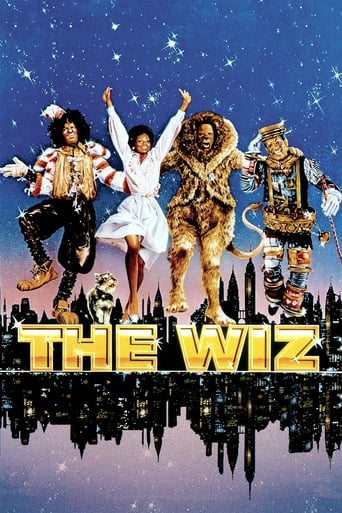
Forty movies flow from the middle tap, and the seventies guide starts with the one everybody can sing. Grease, released in 1978 and set twenty years earlier, follows a summer romance into the corridors of Rydell High, where the boy belongs to a gang with a car to fix and the girl is new from Australia. John Travolta and Olivia Newton-John lead a cast that was famously older than its characters, the songs went around the world, and the film is rated 7.4. The Wiz, from the same year, retells the journey down the yellow brick road in a fantastical New York, with Diana Ross as Dorothy and a young Michael Jackson as the Scarecrow.
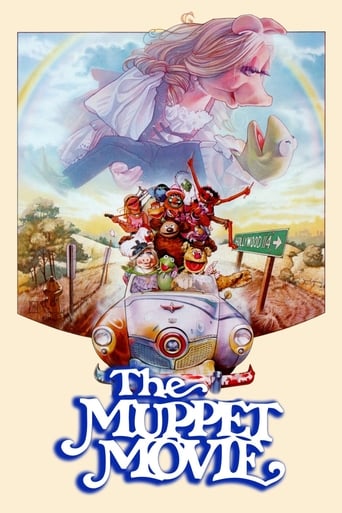
The Muppet Movie, from 1979, begins with a frog on a log playing a banjo and singing about rainbows, and follows him across America toward Hollywood, collecting a bear, a pig, a dog and a whatever along the way. It is a road movie, a musical and a comedy of show business, performed by puppeteers who were often hidden under water or under the road, and it is rated 7.2. Older children and adults who grew up with it will find the jokes have aged gracefully.
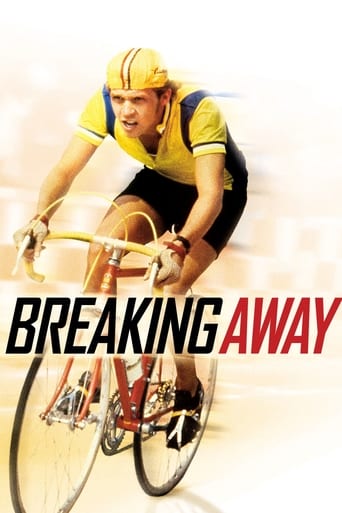
The decade loved an underdog. Breaking Away is set in a university town in Indiana, where four friends just out of school drift through a summer, and one of them, obsessed with cycling, pretends to be an Italian exchange student; the film ends with a bicycle race against the college teams and won an Academy Award for its script. Norma Rae brought Sally Field the first of her two Academy Awards as a mill worker who finds her voice. Ice Castles follows a figure skater from a small town, and The Paper Chase a first-year student at a famous law school.
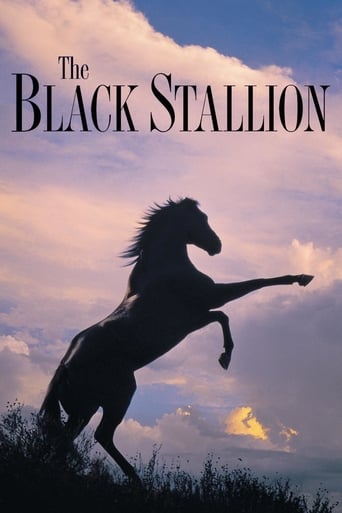
Journeys give the decade its shape. In Harry and Tonto, a retired teacher of seventy-two, played by Art Carney in a performance that won the Academy Award, leaves New York with his ginger cat and crosses the country by bus, car and thumb, visiting his children and meeting strangers. In The Black Stallion, a boy and a wild Arabian horse survive a shipwreck together on a deserted shore; the island sequence, nearly free of dialogue, is among the most beautiful passages in family cinema. A Little Romance sends two thirteen-year-olds, an American girl in Paris and a French boy who loves films, to Venice with an elderly gentleman played by Laurence Olivier.
British cinema contributes The Railway Children, from 1970, in which three children moved to a cottage in Yorkshire wave to the trains each morning and wait for their father, and Melody, a tale of two schoolchildren who announce their intention to marry. Australia sends My Brilliant Career, about a headstrong young woman of the 1890s who wants to write. Racing fans will find Steve McQueen at the wheel in Le Mans, and Robert Redford appears as a skier in the earlier Downhill Racer and as a politician in The Candidate.
The eighties tap
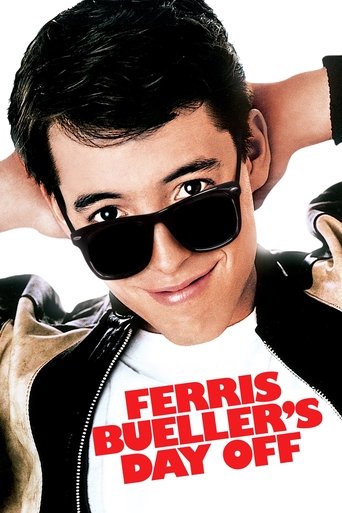
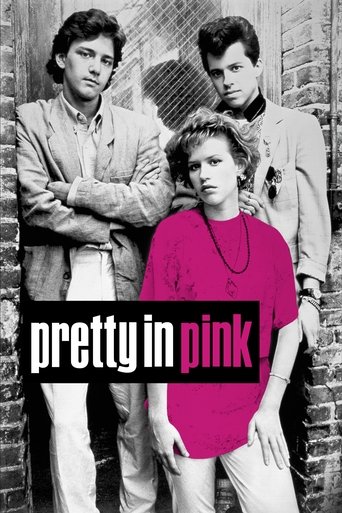
Eighty movies flow from the busiest tap, and the eighties guide begins with the writer and director who gave the decade its teenage voice. John Hughes set The Breakfast Club in a school library on a Saturday, where five pupils from five different tribes serve a day of detention and discover that they have more in common than a punishment. It is rated 7.7. A year later he made Ferris Bueller's Day Off, in which a schoolboy with boundless charm takes a day away from lessons and shows his best friend the art museum, a baseball game and a parade in Chicago. Hughes also wrote Pretty in Pink and Some Kind of Wonderful, both directed by Howard Deutch.
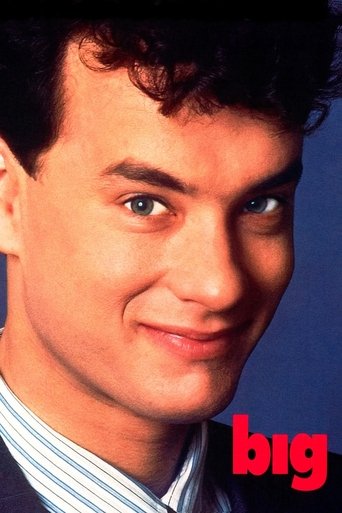
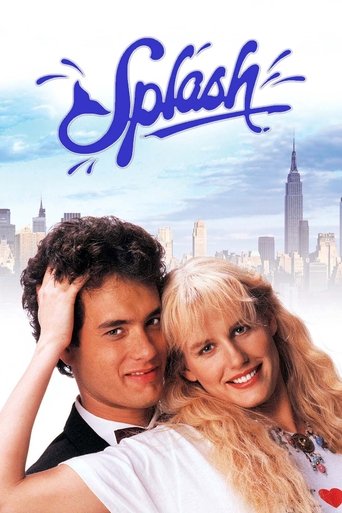
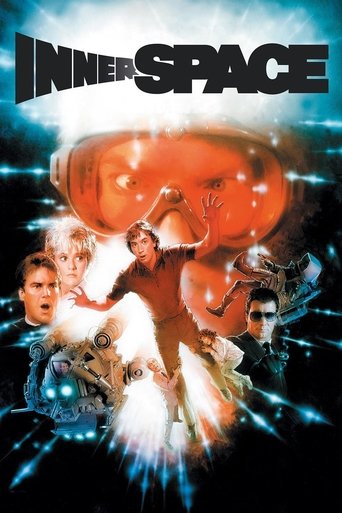
The decade was fond of a big idea. In Big, a boy of twelve makes a wish at a fairground machine and wakes in the body of a man of thirty; Tom Hanks plays him with a child's posture and curiosity, and the scene on a giant keyboard in a toy shop is one of the happiest in film. In Splash, a mermaid follows the man she rescued to New York. In Innerspace, a test pilot shrunk to the size of a speck is injected by accident into a nervous supermarket clerk. In Peggy Sue Got Married, a woman at her school reunion faints and wakes in 1960, and in Back to the Future Part II, rated 7.8, a teenager and a scientist visit the year 2015.
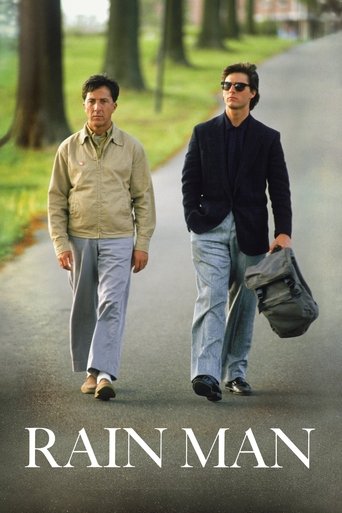
The eighties made room for grown-ups as well. Rain Man, the best picture of 1988, sends a fast-talking car dealer across America with the older brother he has only just met, a man with autism and an extraordinary memory, played by Dustin Hoffman. On Golden Pond gave Henry Fonda and Katharine Hepburn Academy Awards as an elderly couple spending one more summer at their lake house. Parenthood, directed by Ron Howard, follows four generations of one family through a single anxious, funny year, and Steel Magnolias gathers six women in a Louisiana beauty salon.
Scotland supplies the decade's most distinctive comic voice. Bill Forsyth has four films on the menu. Gregory's Girl is about a gangling schoolboy who falls for the new striker on the football team. Local Hero sends a young executive from Houston to buy a whole fishing village for an oil company and watches the place quietly buy him instead; its last shot of a ringing telephone box is treasured by everyone who has seen it. Comfort and Joy involves a radio presenter and two rival ice-cream families, and Housekeeping an aunt who keeps house in her own fashion.
Comedy in the broad American style runs through the decade: The Cannonball Run, a coast-to-coast race with a car full of stars; Mr. Mom, in which a laid-off engineer takes over the household; Overboard, with Goldie Hawn as an heiress who loses her memory and gains four boys; Back to School, in which a millionaire enrols at his son's university; and National Lampoon's Christmas Vacation, the tale of a father who wants only a perfect family holiday and twenty-five thousand lights.
Comedy across three decades
Comedy is the largest list, with 109 movies, and the comedy guide follows it through the years. The playwright Neil Simon links all three decades. His newlyweds and his mismatched flatmates belong to the sixties, The Goodbye Girl, in which a dancer and her daughter must share their flat with an actor, belongs to the seventies and won Richard Dreyfuss an Academy Award, and Brighton Beach Memoirs, drawn from his own boyhood, belongs to the eighties. The director Gene Saks made four of the films on the menu, three of them from Simon's plays.
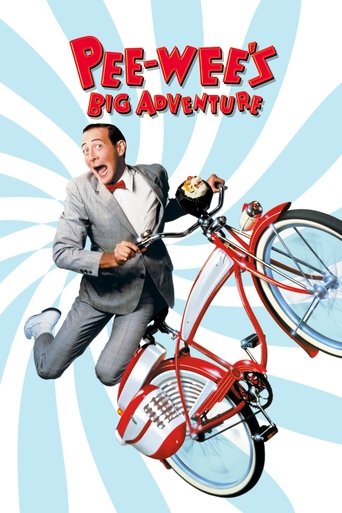
Slapstick changes its costume and keeps its heart. The silent bellboy of 1960 has a descendant in Pee-wee's Big Adventure, the first feature directed by Tim Burton, in which a man-child in a grey suit crosses America in search of his stolen bicycle. The British tradition is represented by School for Scoundrels, in which a mild young man takes lessons in getting ahead, and The Wrong Box, a Victorian farce about an inheritance.
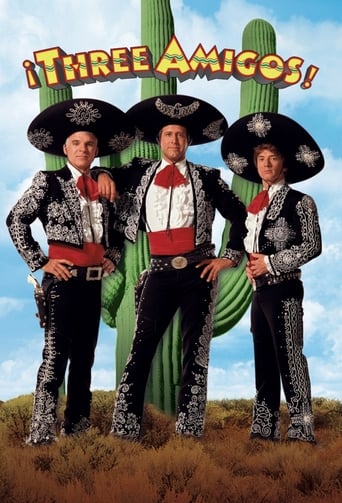
The holiday comedy became a genre of its own in the eighties, with Summer Rental, The Great Outdoors and One Crazy Summer, and the workplace comedy found its modern form in Working Girl and The Secret of My Success. ¡Three Amigos! sends three silent-film cowboys to a Mexican village that believes their films are real.
Musicals and music
Thirty movies sing, dance or play, and the musicals guide divides them by origin. Some came from the stage: the flower seller, the matchmaker, the students of Rydell High and 1776, which turns the drafting of a declaration into song. Some were written for the screen, such as the nanny, the flying car and the frog with the banjo. The Slipper and the Rose retells Cinderella with songs by the brothers who wrote for Mary Poppins, and The Little Prince sets the famous fable to music.
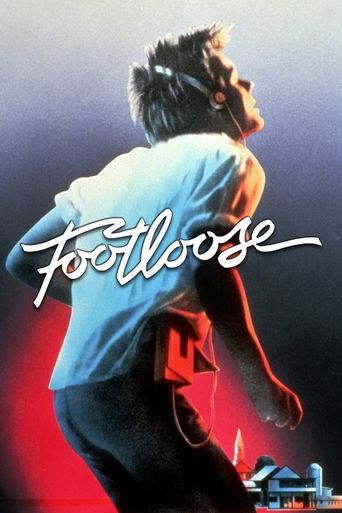
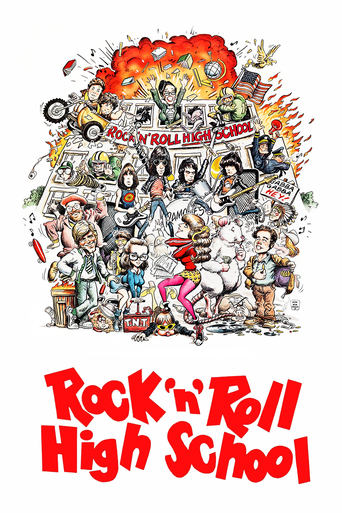
As the decades pass, the orchestra gives way to the radio. Rock 'n' Roll High School features a real punk band and a school that likes its music loud. Footloose, from 1984, sends a boy from Chicago to a small town where dancing has been banned and lets him argue the case before the council. Staying Alive follows a dancer to Broadway, Girls Just Want to Have Fun to a television dance contest, and Salsa to the clubs of Los Angeles.
Several films are about musicians. Elvis, made for television in 1979 with Kurt Russell in the title role, covers the singer's rise. The Jazz Singer stars Neil Diamond, Sweet Dreams tells of the country singer Patsy Cline, Bound for Glory of the folk singer Woody Guthrie, and 'Round Midnight of an American saxophonist in Paris. True Stories, directed by the musician David Byrne, is a tour of an imaginary Texas town.
Westerns
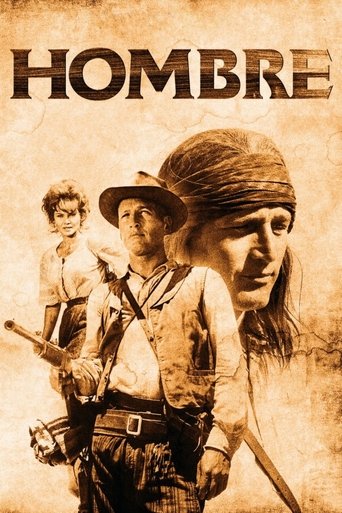
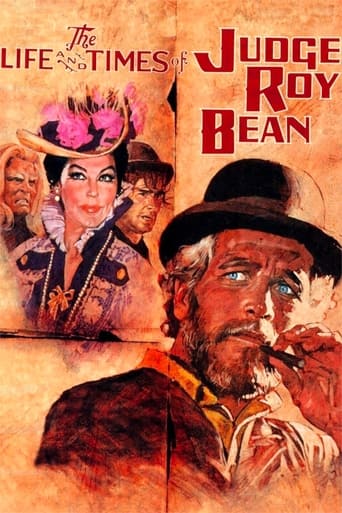
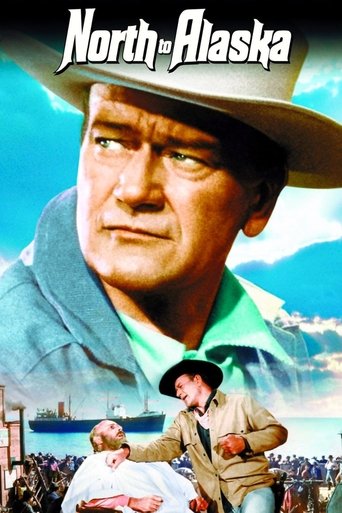
Seventeen movies ride out, and the westerns guide shows the genre in its late, relaxed years. John Wayne made McLintock! as a comedy, a cattle baron's quarrel with his wife staged with a famous slide into a mud pit, and North to Alaska as a gold-rush romp. Paul Newman took the form more seriously in Hombre, directed by Martin Ritt, and less seriously in The Life and Times of Judge Roy Bean and in Robert Altman's Buffalo Bill and the Indians, or Sitting Bull's History Lesson.
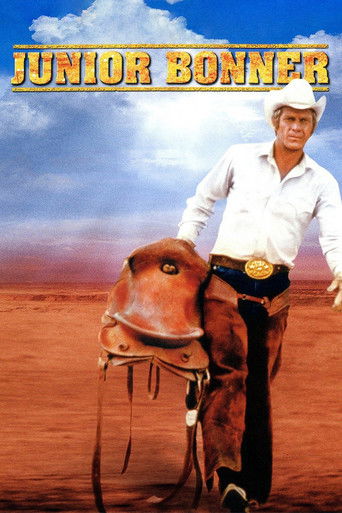
A Big Hand for the Little Lady is a western set almost entirely at a poker table, with Henry Fonda and Joanne Woodward and a twist worth keeping secret. The Hallelujah Trail is a wagon-train comedy on an epic scale, and The Valley of Gwangi lets cowboys lasso a dinosaur animated by Ray Harryhausen. Modern westerns include Junior Bonner, with Steve McQueen as a rodeo rider visiting home, Monte Walsh, an elegy for the cowboy's trade, and Bronco Billy, in which Clint Eastwood runs a travelling show. Elvis Presley plays a rare dramatic role in Flaming Star.
Family
Forty-seven movies suit all ages, and the family guide arranges them for a sofa of mixed generations. The Disney studio dominates the sixties with live-action comedies, many directed by Robert Stevenson, who has five films on the menu: besides the nanny and the professor there are The Gnome-Mobile and, later, The Shaggy D.A.. Pollyanna, with Hayley Mills, brings a girl of unconquerable cheer to a stern aunt's town, and the same actress leads The Trouble with Angels, set in a convent school.
Animal stories are plentiful. Born Free follows a lioness raised by a couple in Kenya and returned to the wild. The Incredible Journey, from 1963, sends two dogs and a cat across the Canadian wilderness. Flipper introduces a boy and a dolphin, Where the Red Fern Grows a boy and two hunting hounds, and the Benji films a small, clever stray. The horse of the shipwreck returns in The Black Stallion Returns.
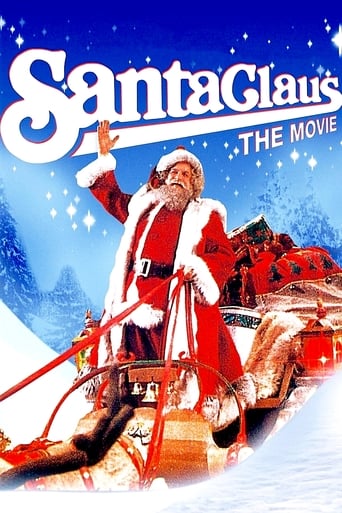
The eighties added fantasy with a darker shine. Return to Oz takes Dorothy back to a ruined Emerald City with a talking hen and a pumpkin-headed friend. Time Bandits gives a boy a gang of time-travelling companions and a map with holes in it. Santa Claus: The Movie tells the legend from the beginning, and Babes in Toyland and Mio in the Land of Faraway visit lands of toys and knights. Anne of Green Gables, the Canadian production of 1985, is the highest-rated title on the whole menu at 8.1 and, at 199 minutes, the longest.
Romance
Fifty-nine movies are love stories, and the romance guide notes how the mood shifts. The sixties are elegant: Paris, New York, good tailoring and wit, with Audrey Hepburn in three romances and Marilyn Monroe in Let's Make Love. The seventies are warmer and more ordinary, with flats shared by necessity and second chances taken in middle age, as in Starting Over and Butterflies Are Free.
The eighties are romantic in the old sense, fond of fate and of time. Somewhere in Time, rated 7.5, sends a playwright back to 1912 by force of will to meet an actress whose portrait he has seen in a grand hotel. Chances Are and Made in Heaven play with second lives. For younger hearts there is Say Anything..., in which an optimistic kickboxer courts the cleverest girl in his year and holds a stereo above his head beneath her window. Murphy's Romance and Shirley Valentine prove that love stories improve with the age of their leads.
From the bookshelf
A good third of the menu began on the page. The sixties drew on famous plays and novels: a Shakespeare comedy filmed in Italy with the most talked-about couple of the day as its quarrelling lovers in The Taming of the Shrew, a novel of the sea in Lord Jim, a comic novel of the old South in The Reivers. Children's classics supplied the cheerful orphan, the nanny, the three children by the railway and, twenty years on, the red-haired girl of Prince Edward Island.
The seventies adapted quieter books: a novel of an Edwardian summer, a boy's story of two hounds, a best-selling fable about a seagull who loves to fly. The eighties turned to memoir, with a playwright's Brooklyn boyhood, a collection of letters to a bookshop, and a tale of knights in Ivanhoe, filmed for television with a grand cast. Readers in the household can enjoy matching the film to the book.
Wheels, hooves and blades
Sport and speed run through all three decades. The sixties offer Formula One, Olympic skiing and an air race; the seventies add a twenty-four-hour motor race filmed with real drivers, a rodeo, a cycling contest and a rink; the eighties contribute BMX racing in Rad, a cross-country car rally, a dirt bike with a mind of its own in The Dirt Bike Kid and an all-night treasure hunt across Los Angeles in Midnight Madness.
Horses have a shelf to themselves. The black stallion races in two films, and The Man From Snowy River II returns to the high country of Australia with its mountain riders. These are films in which the photography of movement, of wheels, hooves and blades, is half the pleasure, and they look splendid on a large screen.
Beyond Hollywood
Although most of the menu is American, some of its best pours come from elsewhere. Britain sends its Victorian farce, its school for getting ahead, its railway cottage and its schoolroom romance, together with the Scottish comedies of the eighties and Shirley Valentine, in which a Liverpool housewife who talks to her kitchen wall takes a holiday in Greece and decides to stay a while. Australia sends its literary heroine and its mountain horsemen.
Hollywood itself went abroad constantly. Paris is the setting for two jazz films a quarter of a century apart and for a comedy about a screenwriter with a deadline. East Africa hosts the animal catchers and the lioness. Acapulco, Hawaii, Monaco, Venice and the Scottish coast all appear, photographed with the unhurried admiration of an age when few in the audience had been there.
Prizes on the menu
A surprising number of these crowd-pleasers won the highest honours. Two best pictures are here, from 1964 and 1988. Performances that won Academy Awards include the nanny, the teacher and her pupil in 1962, the gentle man of Charly, the dental assistant of Cactus Flower, the mother of Butterflies Are Free, the traveller with the cat, the out-of-work actor, the mill worker, and both leads of the lake-house drama. The script of the Indiana cycling story won as well.
Prizes are a rough measure, yet they make a useful point about the menu: popular entertainment and fine craft were close neighbours in these decades. A family comedy might have a score by a great composer, costumes by a celebrated designer and a script by a leading playwright. That care is one reason the films still please.
Choosing by age
For the youngest viewers, the sixties tap is the safest: the nanny, the flying car, the cheerful orphan, the dolphin and the dachshund who thinks he is a Great Dane in The Ugly Dachshund. From about eight, the Disney comedies about inventions and student pranks suit well, along with the frog's road trip and the horse on the island. From ten or eleven, the time-travel films and the fantasy quests of the eighties open up.
Teenagers are well served by the school films and the dance films. Adults will find that the comedies of Neil Simon, the dramas of the seventies and the quiet Scottish films reward a second look. The running time under each title on its page helps with planning, since the menu ranges from seventy-two minutes to well over three hours.
The menu through the year
Some pours suit a season. Summer belongs to camps, lakes, beaches and cycling: the counsellor and his campers, the family in the rented beach house, the friends in the quarry. Autumn brings the return to school and football. Winter has its own short list, with the origin of Santa Claus, the father with too many lights, and the dependable handyman of Ernest Saves Christmas. Spring is for musicals, which were often released at Easter and still feel like a holiday.
Whatever the month, the chalkboard on the home page changes only when the ratings do, so the top shelf is a steady place to begin.
Behind the bar
The directors on the menu make a distinguished company. Stanley Kubrick spent four years on his journey to Jupiter. Howard Hawks, a master since the silent days, is here with two late entertainments, the animal catchers and the fishing comedy. George Cukor directed both the flower seller's transformation and a Marilyn Monroe musical. John Frankenheimer put cameras on racing cars, Franco Zeffirelli filled a Shakespeare comedy with Italian light, and Elia Kazan told his own family's story.
The seventies bring Robert Altman, Sidney Lumet, Hal Ashby and Joseph Losey, each working a little outside his usual territory, and a television film by John Carpenter. The eighties belong to a younger group: John Hughes, Ron Howard, who has two films here, Barry Levinson, Cameron Crowe with his first film as director, Joe Dante, Terry Gilliam, Francis Ford Coppola in a nostalgic mood, and Tim Burton at the very start. Their names are all searchable, and following one director across a decade is among the most rewarding ways to use the menu.
First appearances
Part of the fun of older films is catching a famous face early. Julie Andrews had been a star of the stage and came to the screen fully formed. Goldie Hawn stepped from a television comedy show into an Academy Award. A thirteen-year-old Diane Lane made her debut opposite Laurence Olivier in Venice. Kurt Russell can be watched growing up across four films, from a college student in a Disney comedy to a leading man.
The eighties are especially rich in beginnings. Tom Hanks found his first big successes with the mermaid and the wishing machine. Michael Keaton showed in a domestic comedy the timing that would carry him to larger roles. John Cusack moved from supporting parts in summer comedies to the lead with the stereo held high. Several members of the young ensemble in the library went on to work together for years. The search box will show where each of them appears.
Made for the small screen
A handful of titles were made for television and earn their place beside the cinema releases. The Canadian adaptation of a much-loved novel was shown in two parts and became one of the most popular programmes in its country's history. The biography of a rock and roll singer, broadcast in 1979, drew a huge audience and began a long partnership between its star and its director. The Parent Trap II, at eighty-one minutes, brought the twins of a sixties favourite back as grown women, and the knightly adventure of 1982 assembled a fine British cast.
These films are shorter on spectacle and longer on character, and they suit an evening when the household wants a story more than an event.
Vintage years
Some years on the menu are especially good. The year 1964 produced both of the great nanny-and-flower-seller musicals and several of the best comedies. The stretch from 1967 to 1969 holds the classroom drama, the two Neil Simon comedies, the space epic, the flying car and the matchmaker. The seventies peak late, with 1978 and 1979 supplying the school musical, the frog, the horse, the cyclists and the mill.
The eighties are strongest from 1985 onward: the detention, the day off, the wishing machine, the road trip of two brothers, and in 1989 alone the family comedy of four generations, the time-travelling teenagers, the stereo beneath the window, the Louisiana salon and the house with too many lights. Each poster shows its year on the dotted line, so a vintage is easy to find.
House rules
Every bar has a few, and they explain what is on the menu. The first rule is that a film must be good company for a mixed household, which is why the list favours comedy, music, adventure and drama with a warm centre. The second is that every decade gets a fair pour, so the quieter seventies are represented by forty carefully chosen films instead of being crowded out by the busier eighties. The third is that famous titles and forgotten ones sit side by side, because a menu made only of favourites teaches a visitor little.
Grandparents and grandchildren can use the menu together. Someone who saw the nanny in a cinema in 1964 will have stories to tell about it, and a child who has just discovered the frog with the banjo will be delighted to learn how long he has been travelling. A film night that begins with one generation's choice and ends with another's is the best use of three decades on tap, and the list page will keep a record of what each chose.
The fourth rule is the simplest: the chalkboard tells the truth. Scores and years come straight from the public record, and a film that has slipped out of fashion keeps its place on the menu for the visitor who is glad to find it again.
Teen movies
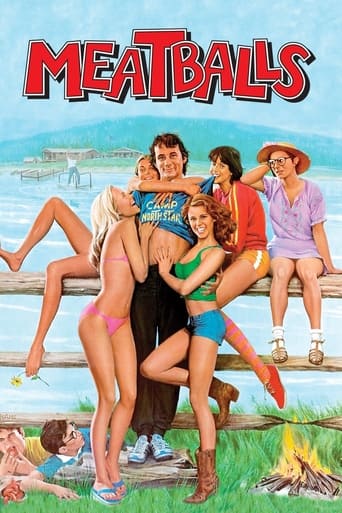
Twenty-one movies are about being young, and the teen guide shows that the school film is older than the 1980s. To Sir, with Love is a teen movie of 1967, Melody and Rock 'n' Roll High School of the seventies, and Meatballs, with Bill Murray as a camp counsellor who champions the shyest boy, of 1979. The form reached its height in the middle eighties with the library detention and the day off, with Lucas, about a small, brilliant boy and the football team, and with Summer School, in which a gym teacher is handed the remedial English class.
The best of these films take teenagers seriously. They are funny about cliques, parents and cars, and honest about loneliness; they end, usually, with someone being seen clearly for the first time. That is why they have lasted, and why parents who loved them in their own teens can share them now with pleasure.
Adventure and fantasy
Fifty-three movies travel, and the adventure guide sorts them by vehicle. There are spacecraft, from the great wheel turning to a waltz in 1968 to the shuttle of SpaceCamp and the stranded capsule of Marooned. There are racing cars at Monaco and Le Mans, a customised sports car in Corvette Summer, a magical motor car with wings, and a time-travelling sports car with a flux capacitor.
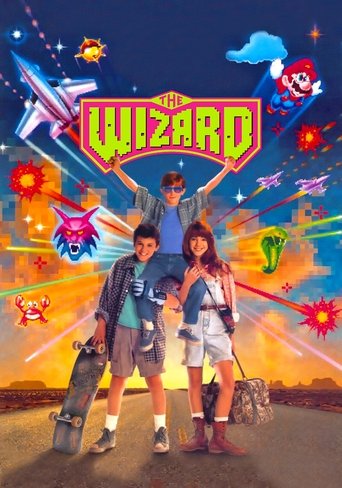
There are also older ways to travel. Lord Jim sails the eastern seas, The Reivers borrows a grandfather's automobile in the Mississippi of 1905, and The Last Flight of Noah's Ark turns a crashed aeroplane into a boat. Baby: Secret of the Lost Legend finds a family of dinosaurs in a rain forest, The Wizard crosses America to a video-game championship, and Electric Dreams imagines a home computer with feelings.
Drama
Seventy-three movies are dramas, and the drama guide returns to the teachers. The classroom is a thread through all three decades: the teacher of the blind and deaf child in 1962, the engineer in the East End in 1967, the law professor of 1973, and in 1988 the mathematics teacher of Stand and Deliver, who coaches a class in East Los Angeles to pass an examination that few schools in the country attempt. It is rated 7.8.
Other dramas of distinction include Charly, which won Cliff Robertson an Academy Award; David and Lisa, a tender story of two young people in a special school; The Go-Between, in which a boy carries letters between a lady and a farmer in the hot summer of 1900; Tucker: The Man and His Dream, about a car designer ahead of his time; and 84 Charing Cross Road, a friendship conducted entirely by post between a New York writer and a London bookseller.
Regulars
Every bar has its regulars, and so does this menu. Jerry Lewis appears five times. Audrey Hepburn appears four times across two decades, from the jeweller's window to Sherwood Forest in Robin and Marian. Paul Newman has four films, Elvis Presley four and Kurt Russell four, the last of them growing up on screen from a Disney student to a carpenter with an amnesiac houseguest. Steve McQueen, Robert Redford, Henry Fonda, Burt Lancaster and John Wayne have three each.
Sally Field is the mill worker, the salon regular and the newcomer courted by a small-town pharmacist. Steve Martin appears three times, Goldie Hawn in three decades, and Michael J. Fox twice. Among directors, Herbert Ross has five films, ranging from a Streisand musical to the Louisiana salon, and Martin Ritt four. Typing any of these names into the search box gathers their films at once.
The top shelf
Thirty-five movies are rated 7.0 or higher by at least a hundred voters, and the top shelf guide lists them. The Canadian orphan leads at 8.1 and the voyage to Jupiter follows at 8.0. The teacher of 1962 holds 7.9; the mathematics class and the trip to 2015 share 7.8; the two brothers on the road and the five pupils in the library share 7.7. The chalkboard on the home page shows the first ten.
The top shelf is a fair guide to quality, though some of the most enjoyable films on the menu sit a little lower. Family comedies of the sixties and seventies tend to score in the sixes, and they are exactly what many visitors come for.
How the pictures changed
Watching across three decades reveals changes that are easy to miss inside any one of them. The first is where films were made. The musicals of the sixties were built indoors, on sound stages the size of aircraft hangars, with painted skies. By the seventies cameras had moved outside, to real towns in Indiana and real roads in the desert, and the light became softer and more natural. The eighties combined the two, with real suburbs and shopping centres on one hand and elaborate effects on the other.
The second change is in the stars. The leads of the sixties were established names in their thirties and forties, groomed by studios. The seventies preferred faces that looked like ordinary people. The eighties discovered the teenager, and a group of young actors who appeared together so often that the press gave them a collective nickname.
The third is in the music. An overture and an intermission still framed the biggest films of the sixties. In the seventies a film might be remembered for one song. By the eighties the soundtrack album, full of current hits, was planned alongside the script, and many of these films can be identified from their first four bars.
Planning an evening
The three taps make it easy to build a programme. For a family night, a Disney comedy from the sixties followed by a fantasy from the eighties suits children of different ages. For a nostalgic evening among friends, two teen comedies make a natural pair. For something more stately, a musical with an intermission is an evening in itself; the longest of them run close to three hours.
A pleasant experiment is the three-decade night: one short film from each tap, such as The Bellboy, The Muppet Movie and Big, which together run a little over four and a half hours. My Tab will hold the choices, and the dotted line under each poster shows the year at a glance so that the order is easy to keep.
Reading a movie page
A movie page at MovieBar is written up like an order slip. The title and year head it, with the genres on small tags. The score follows, out of ten, with the number of votes, and then the running time. A paragraph sets the scene and stops before the turn of the plot. The cast and the director are listed beneath, each name leading to that person's other films on the menu. The country selector and the Watch now button stay near the top of the slip on any screen, and the page ends with more movies from the same decade.
Questions about MovieBar
Questions
What is MovieBar?
MovieBar is a guide to 180 movies released between 1960 and 1989. Each has its cast, a summary, a rating and a Watch now button.
How do I watch a movie?
Open its page, choose your country beside the Watch now button and press it. JustWatch then lists the services that carry the movie in that country.
How are the decades divided?
Sixty movies come from the 1960s, forty from the 1970s and eighty from the 1980s. Each decade has its own tap on the home page.
Which movies are rated highest?
Anne of Green Gables leads at 8.1 and 2001: A Space Odyssey follows at 8.0. The Miracle Worker stands at 7.9.
Is the menu suitable for families?
Every title was screened by hand for a family audience. Forty-seven movies carry the Family label.
Are there musicals?
Yes. Thirty movies sing or dance, among them Mary Poppins, My Fair Lady, Grease, The Muppet Movie and Footloose.
Are there westerns?
Yes. Seventeen westerns are listed, with John Wayne, Paul Newman, Henry Fonda and Steve McQueen among the leads.
Which is the longest movie?
Anne of Green Gables runs for 199 minutes. The shortest is The Bellboy at 72 minutes.
What is My Tab?
My Tab is your list of movies to watch. It is kept in the browser on your device, and the list page can save it as a file.
Where does the information come from?
Posters, ratings, casts and production details are supplied by TMDB. The guide on this page and the fifteen help pages are written for MovieBar.
